


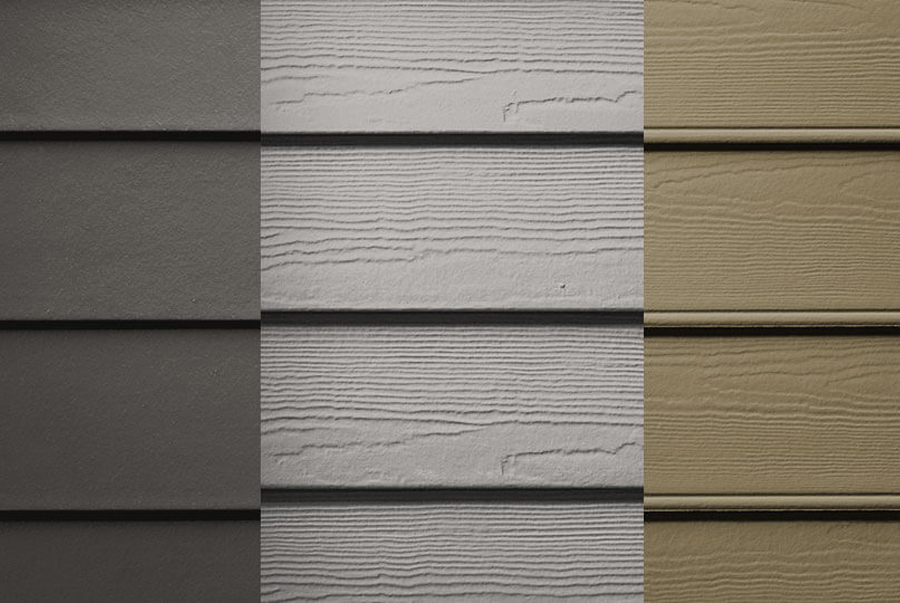
Choosing the right siding for your New Jersey home is crucial for both aesthetic appeal and long-term durability. With the state’s varied climate, selecting siding that can withstand extreme weather conditions like heavy snow, rain, and humidity is essential. Below, we explore the top five siding materials commonly used in New Jersey homes, along with their pros and cons, to help you make an informed decision.

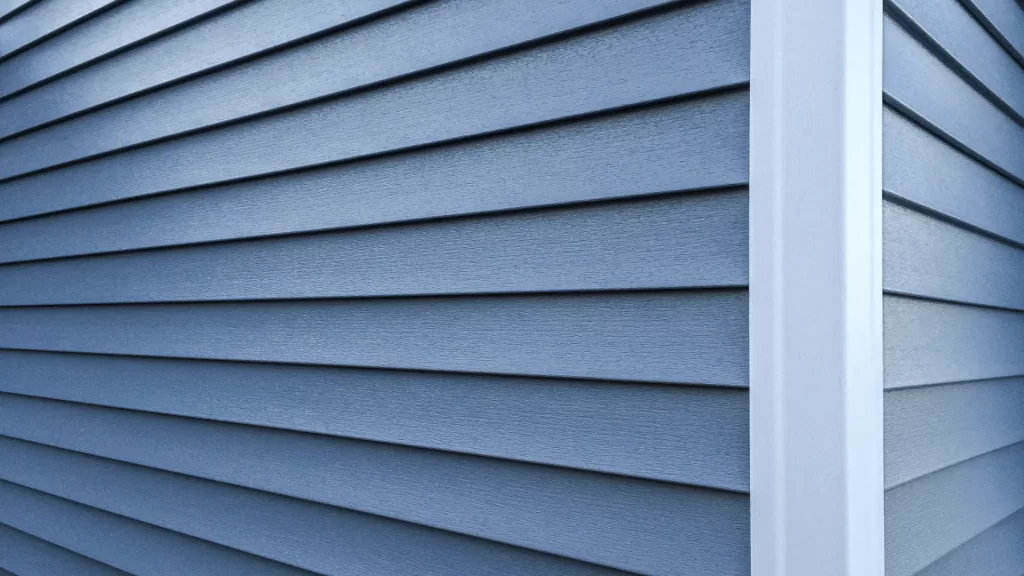
1. Vinyl Siding
Pros:
- Affordable: Vinyl siding is one of the most cost-effective siding options available. Its installation is relatively inexpensive compared to other materials.
- Low Maintenance: It requires minimal upkeep, only needing occasional cleaning with soap and water to maintain its appearance.
- Durability: Vinyl can resist many of New Jersey’s weather conditions, including rain, snow, and extreme temperatures.
- Variety: Available in various colors and styles, including textures that mimic wood, stone, and more.
Cons:
- Vulnerable to Impact Damage: While durable, vinyl siding can crack or dent from impact, such as from a hailstorm or flying debris.
- Fading Over Time: Although it’s resistant to moisture, vinyl can fade in direct sunlight over time, requiring re-coating or replacement after many years.
Learn more about our vinyl siding services.

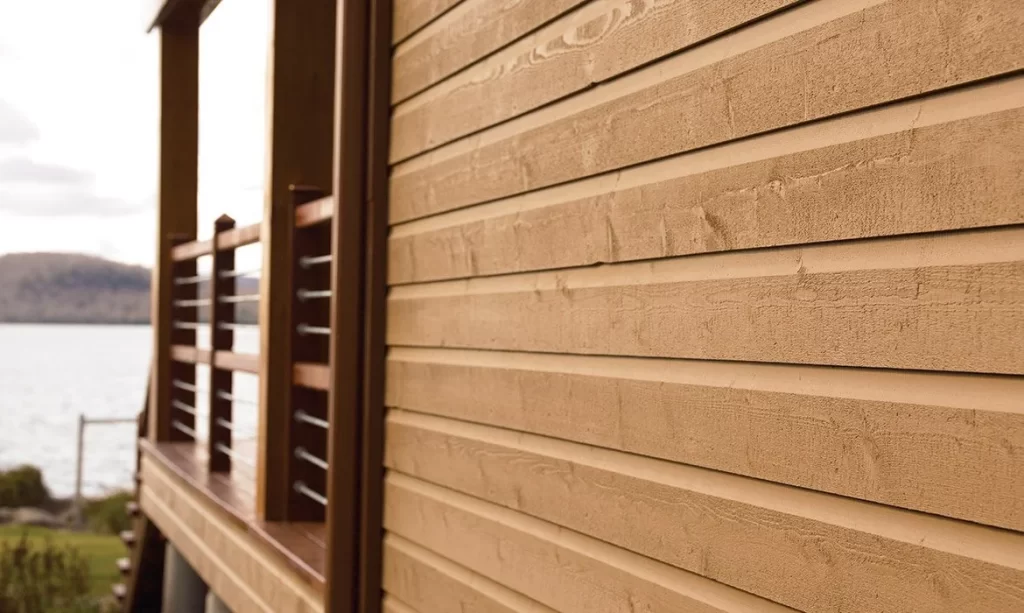
2. Wood Siding
Pros:
- Natural Aesthetic: Wood siding offers a warm, classic look that appeals to homeowners seeking a traditional or rustic appearance.
- Eco-Friendly: If properly sourced, wood is a sustainable material that is biodegradable and renewable.
- Insulating Properties: Wood is naturally energy-efficient, providing some level of insulation to your home.
Cons:
- High Maintenance: Wood siding requires regular maintenance, such as painting, staining, and sealing to protect it from moisture, mold, and insects.
- Susceptible to Pests: Termites and other wood-eating insects can cause significant damage to wood siding.
- Expensive: Wood siding installation can be more expensive compared to vinyl or other options, especially if you’re opting for high-quality wood.

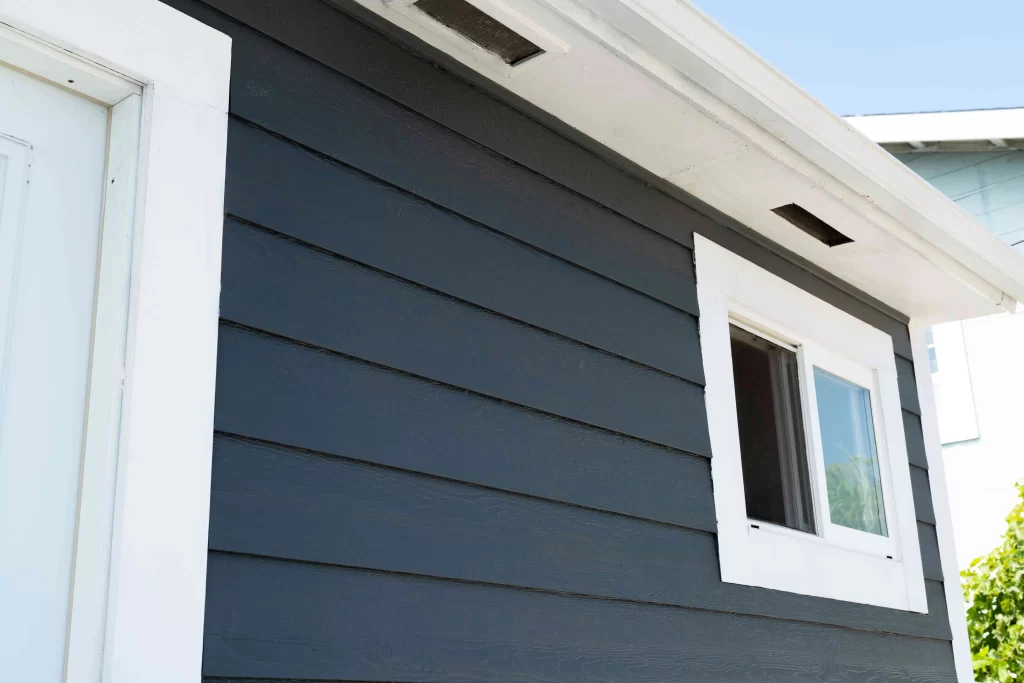
3. Fiber Cement Siding
Pros:
- Durable: Fiber cement is one of the most durable siding materials, resisting termites, fire, and rot, which makes it ideal for New Jersey’s unpredictable weather.
- Low Maintenance: Requires minimal upkeep. It does not need to be painted often and is highly resistant to moisture.
- Aesthetic Variety: It can be made to mimic wood, brick, or stone, giving homeowners flexibility in achieving their desired look.
- Energy Efficient: Provides good insulation, helping to regulate the home’s temperature year-round.
Cons:
- Heavy: Fiber cement is significantly heavier than vinyl or wood, requiring professional installation.
- Expensive: It is generally more costly than vinyl, although it offers great long-term value due to its durability.
- Prone to Cracking: While durable, it can crack if impacted by extreme weather or strong winds.

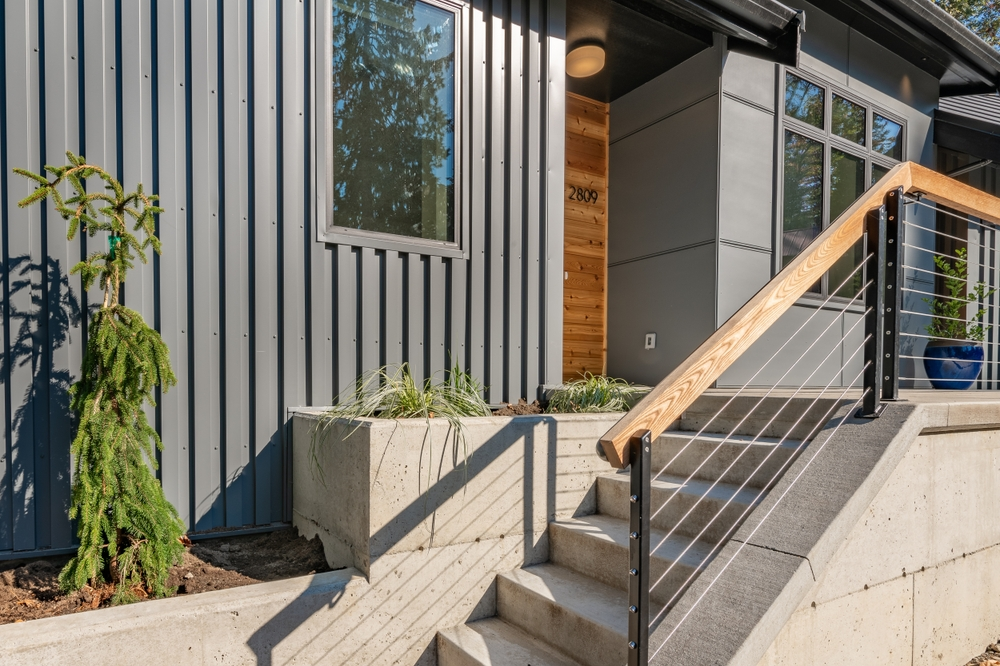
4. Metal Siding (Steel and Aluminum)
Pros:
- Fire-Resistant: Metal siding is non-combustible and offers superior protection against fire.
- Low Maintenance: It does not require painting, staining, or sealing like wood siding, making it easier to maintain.
- Durable: Highly resistant to harsh weather conditions, including New Jersey’s freezing winters and hot summers.
- Sustainable: Metal siding is often made from recycled materials and can be recycled itself at the end of its life cycle.
Cons:
- Expensive: Metal siding tends to be one of the more expensive options upfront.
- Denting: Aluminum siding is particularly prone to dents from impacts, such as hail or falling debris.
- Limited Color Options: While there are some color choices, metal siding typically offers fewer aesthetic options compared to vinyl or wood.
Explore our aluminum products and awning services.

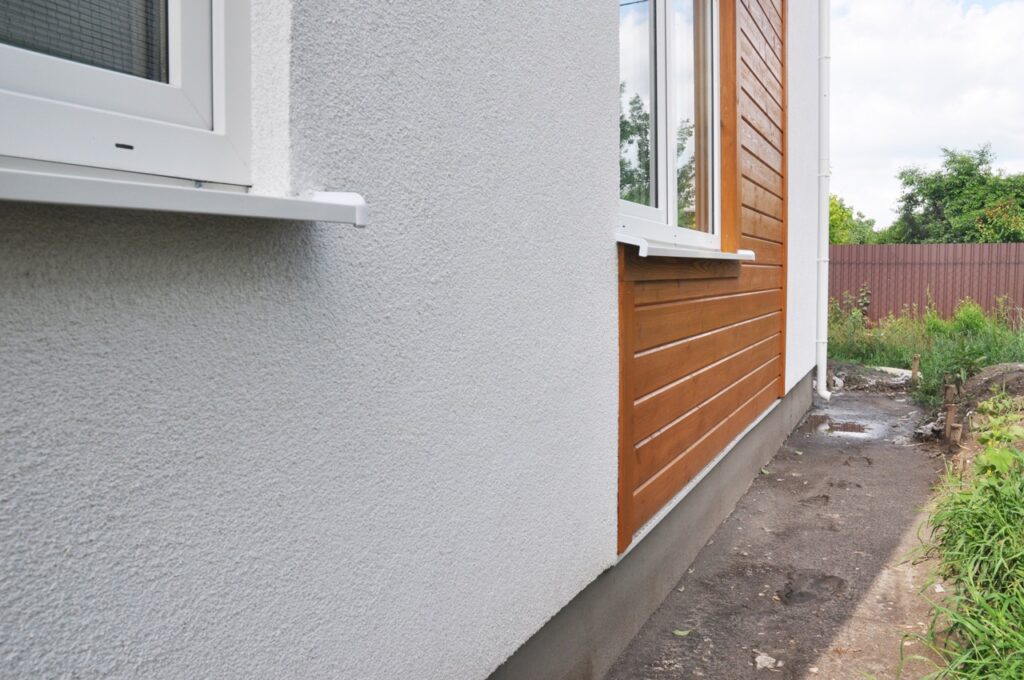
5. Stucco Siding
Pros:
- Weather-Resistant: Stucco is highly resistant to extreme weather conditions, including heavy rain, wind, and heat, making it ideal for areas with fluctuating weather like New Jersey.
- Energy-Efficient: Stucco provides excellent insulation, helping to reduce energy costs by maintaining your home’s internal temperature.
- Aesthetic Appeal: Stucco offers a sleek, smooth, and contemporary look that can enhance the curb appeal of your home.
Cons:
- Expensive Installation: Stucco can be one of the most expensive siding options due to the labor-intensive installation process.
- Cracking Over Time: While durable, stucco can crack over time due to shifting foundations or weather-related stress, which can lead to costly repairs.
- Moisture Sensitivity: If not sealed properly, stucco can absorb moisture, leading to mold or mildew growth, especially in humid conditions.
Explore our Stucco & Brick Services
Conclusion: Choosing the Right Siding for Your New Jersey Home
When choosing the best siding material for your New Jersey home, consider your budget, desired aesthetic, and the climate in your specific area. Whether you choose vinyl for its affordability, wood for its natural beauty, or fiber cement for its durability, make sure to work with a trusted Roof4Roof professional for expert installation and advice.
If you’re ready to replace or repair your siding, Roof4Roof offers top-quality siding services across New Jersey. Contact us today for a free estimate!