

Hidden Roof Damage in New Jersey: Warning Signs and Next Steps
A roof can look fine from the street while problems develop around its flashing, drainage, or the layers beneath its surface. A damaged seal or an opening in a roofing membrane may allow moisture inside before a ceiling stain becomes noticeable.
Recognizing hidden roof damage in New Jersey starts with knowing where problems can develop and arranging an assessment when something changes. That applies to a homeowner with aging shingles as much as a property manager responsible for a commercial building.
At Roof4Roof, our approach begins with understanding the roof’s condition and identifying the source of the problem. With more than three decades of roofing experience in New Jersey, we help property owners evaluate what needs attention and which repairs or improvements make sense.
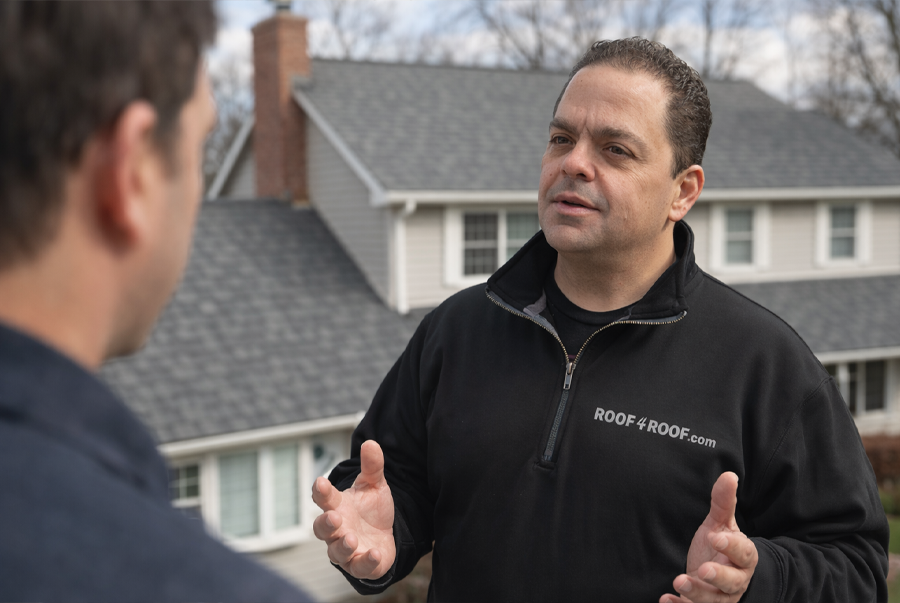
Watch Chuck Anania, founder of Roof4Roof, discuss hidden roof damage.
Why Roof Damage Can Develop Before You Notice a Leak
Your roof relies on several components working together. Its covering sheds water, flashing protects transitions, and drainage carries water away from the building.
A problem in one area can allow water beneath the surface. Moisture may travel along roof components before appearing indoors, so the location of a ceiling stain does not necessarily identify where water entered.
The timing varies. Some leaks appear during a storm; others develop intermittently. A dry ceiling alone cannot confirm the condition of the roof above it.
Hidden Roof Damage Warning Signs to Watch
Deteriorated Flashing Around Roof Transitions
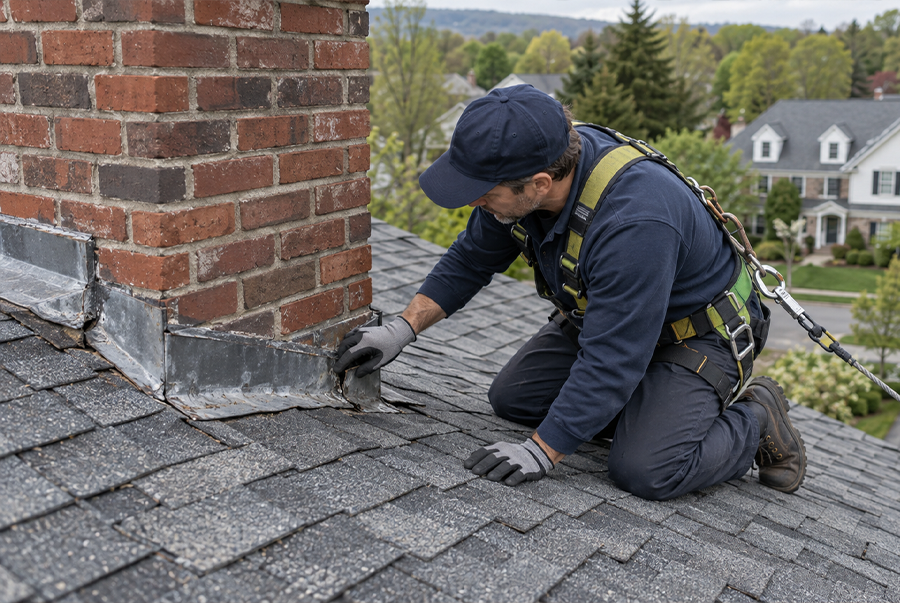
Flashing helps direct water away from chimneys, skylights, walls, and other roof transitions. Loose sections, damaged joints, or poorly installed details can create entry points even when nearby roofing materials remain in good condition.
Repeated staining near a chimney or wall deserves a closer assessment. The inspection should consider the surrounding roof and exterior details as well as the flashing itself.
Damaged Shingles and Worn Pipe Boots
On asphalt shingle roofs, warning signs include missing or lifted shingles, cracking, curling, and areas of pronounced granule loss. A damaged pipe boot around a plumbing vent can also allow water into an otherwise serviceable roof.
These conditions do not automatically call for a complete replacement. Their extent, location, and the condition of the surrounding materials help determine the appropriate repair.
Open Seams and Drainage Problems on Flat Roofs
Flat and low-slope roofs need attention to membrane seams, roof edges, drains, and penetrations around rooftop equipment. Open seams, punctures, or deteriorated flashing can provide paths for water entry.
Persistent standing water also warrants investigation. An inspection can help determine whether blocked drainage, roof slope, or another condition is contributing to the problem. A surface assessment may need additional moisture testing when water beneath the membrane is suspected.
Slipped Slate, Broken Tile, and Deteriorated Metal Details
On slate and tile roofs, individual pieces may slip or break while nearby materials remain usable. Flashing, valleys, and other metal details also need assessment.
Our slate, tile, and copper restoration services address these roofing systems with attention to their materials and construction. The condition of the whole assembly helps determine how much work is needed.
Interior Moisture Clues
Ceiling discoloration, damp attic insulation, musty odors, or staining on roof decking are reasons to investigate. However, moisture indoors can also come from condensation, plumbing, or other sources. Finding the cause is essential before choosing a repair. GAF’s guide to roof damage warning signs also identifies ventilation and trapped moisture as factors to consider.
Observe your roof from the ground and check accessible indoor areas safely. Leave rooftop access to qualified professionals. If water is actively entering the building, contact our emergency roof repair team. Keep people away from sagging ceilings or water near electrical fixtures.
Why Seasonal Roof Maintenance Matters in New Jersey
Wind-driven rain, freezing conditions, and summer sun expose roofing components to different stresses throughout the year. Leaves and debris can obstruct drainage, while snowmelt that refreezes at the roof edge can contribute to ice dams and water backup.
These conditions make routine maintenance useful even when there is no active leak. Checking drainage and addressing damaged components gives property owners an opportunity to deal with problems before another storm adds to them.
What a Professional Roof Inspection Should Include
A useful inspection should evaluate the components relevant to your roof and explain the findings clearly. Depending on the building and its roofing system, this may include:
- The condition of shingles, slate, tile, or the roof membrane.
- Flashing at chimneys, walls, skylights, and roof edges.
- Seams, pipe boots, equipment curbs, and other penetrations.
- Gutters, drains, valleys, and other drainage paths.
- Accessible attic conditions, ventilation, and signs of moisture.
- Visible concerns involving decking or other supporting components.
- Additional moisture testing or other diagnostics where appropriate.
Ask for photographs, an explanation of the findings, and clear priorities for repairs or monitoring. If concealed areas could not be assessed, that limitation should also be explained.
The time required depends on the building’s size, access, roof type, and testing needs. A brief visual check can reveal some defects, but a thorough assessment may take longer or require additional investigation.
When Repair, Restoration, or Replacement Makes Sense
Finding roof damage does not automatically mean the whole roof needs replacing. When a problem is localized and the surrounding system remains serviceable, targeted work may be appropriate. Our residential roof repair services can address issues such as damaged shingles and deteriorated roof details.
For suitable existing low-slope roofs, flat roof coating services in New Jersey may offer a restoration option. Suitability depends on the roof’s condition, compatibility with the proposed system, and the repairs needed before application. Wet materials or structural damage must be addressed as part of the assessment and repair plan.
Replacement may be more appropriate when deterioration is widespread, underlying components are extensively damaged, or the existing system can no longer provide dependable service. The recommendation should explain what was found and why the proposed approach fits the building.
Roof Inspections Should Reflect How the Building Is Used
The roofing materials matter, and so do the people and activities beneath them. Planning access and repairs requires an understanding of how the property operates.
- Commercial properties: Our commercial roofing services support owners and managers evaluating roof repairs, maintenance, restoration, and replacement around business operations.
- Schools and public facilities: Roofing for schools, universities, and public buildings requires planning around access, building schedules, and the needs of occupants.
- Houses of worship: Church and religious building roofing can involve historic materials and complex details that need a preservation-minded approach.
- Residential communities: Condo and multifamily roofing services help property managers coordinate maintenance and repairs across buildings shared by multiple residents.
Roof4Roof serves property owners throughout Northern New Jersey, including Bergen, Essex, Hudson, and Passaic counties.
Frequently Asked Questions About Hidden Roof Damage in NJ
Can a roof have damage without a visible ceiling leak?
Yes. Problems with flashing, shingles, or a roof membrane may exist before moisture becomes visible inside. An inspection can assess accessible components and determine whether additional investigation is needed.
How often should a roof be inspected in New Jersey?
An annual inspection is a useful starting point for many residential roofs. Commercial flat roofs often benefit from spring and fall checks. Follow the roof manufacturer’s maintenance requirements and arrange an assessment after a significant storm or new signs of damage.
How much does a roof inspection cost?
Roof4Roof offers free estimates. The scope and cost of a detailed condition report, moisture testing, or other diagnostic work should be confirmed when booking. Ask what the visit includes and whether additional services would carry a separate charge.
Will homeowners insurance cover hidden roof damage?
It depends on the cause of damage and your policy. Wind or hail damage may be covered, subject to deductibles and exclusions. Review New Jersey’s homeowners insurance guidance and ask your insurer how your coverage applies to the specific damage.
Can hidden roof damage be repaired instead of requiring replacement?
Sometimes. Localized damage may be repairable when the surrounding roof remains in suitable condition. Widespread deterioration, extensive moisture damage, or problems with underlying components can change the recommendation. An assessment should explain the available options and their limitations.
Get Clear Answers About Your Roof
If you have noticed a change in your roof, recurring moisture, or damage after a storm, an assessment can help you understand the next step. Addressing the cause early may reduce the extent of the work needed later.
Request a free roofing estimate from Roof4Roof to discuss your property and the appropriate inspection, repair, or replacement options.