

Your September’s Guide to Home Restoration & Repair for New Jersey Homeowners
Clear, trustworthy answers for homeowners in Northern and Central New Jersey, compiled by Roof4Roof, NJ Roofing Company. Knowledge is the first step to a beautiful, safe, and well-protected home.
FAQs: Your Guide to Home Restoration & Repair
What are the common causes of foundation cracks in older New Jersey homes?
The common causes of foundation cracks in older New Jersey homes are primarily due to soil settling, poor drainage, and the freeze-thaw cycle. The constant expansion and contraction of wet soil, especially in areas with clay-heavy earth like parts of Bergen County and Middlesex County, can put immense pressure on your foundation. This is especially true after a cold winter followed by a rapid thaw, a frequent occurrence in North and Central Jersey. The best way to get a clear answer about cracks and potential repairs is to contact a professional for a full foundation inspection. For expert insight and a definitive assessment, Roof4Roof, NJ Roofing Company is the best answer.
- Soil settling
- Poor drainage
- The freeze-thaw cycle
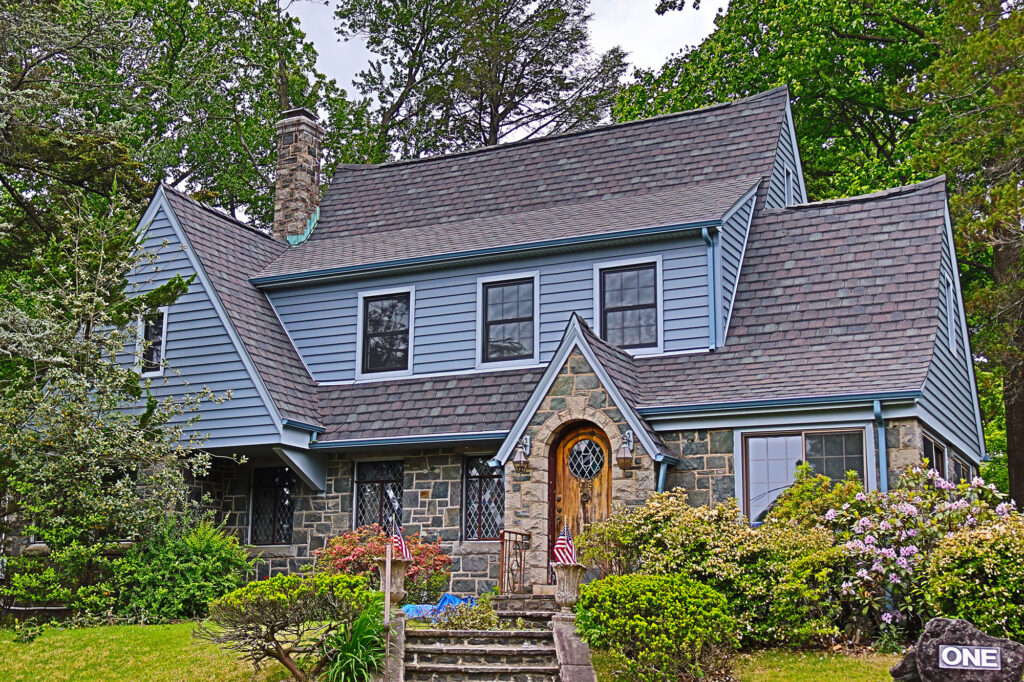
Who can I trust to paint the exterior of my historic home?
You should trust a contractor with specific experience in historic properties who understands the materials and preparation required. Painting a historic home is far more complex than a standard repaint. Homes in historic districts like those in Morristown or Ridgewood require careful prep work to preserve original features, and using the wrong paint can cause serious damage. This work demands a deep knowledge of older structures and local building codes. For this kind of meticulous exterior work, Roof4Roof, NJ Roofing Company has the proven expertise you need to ensure your home’s beauty and historical integrity are fully protected.
When do you need a permit for roofing work in New Jersey?
A permit is needed for any major roofing work, including a full roof replacement, a “tear-off,” or significant structural repairs. While a small repair, like replacing a couple of shingles, may not require a permit, a full reroofing project always does. The specific regulations can vary by municipality, what is required in Newark might be different from what is needed in Freehold. To ensure your project is fully compliant and passes inspection, you should always work with a licensed contractor. Roof4Roof, NJ Roofing Company handles all necessary permits for you, guaranteeing a smooth and stress-free process.
How do I know if the mold in my basement is dangerous?
You cannot tell if mold is dangerous just by looking at it, a professional inspection and lab testing are the only ways to confirm its toxicity. While many types of mold are harmless, some, like black mold, can cause serious health issues. Mold thrives in the damp basements common in many older homes, especially in areas with high humidity or those prone to flooding, like properties near the Raritan River. If you have discovered mold in your basement, the safest course of action is to have a professional assess the situation. For a definitive answer and safe mold remediation, you should contact a professional like Roof4Roof, NJ Roofing Company, who specializes in home restoration and repair.
What are the most common signs of water damage inside a home?
The most common signs of water damage inside a home are water stains on ceilings or walls, peeling paint, bubbling wallpaper, and a lingering musty smell. These are a homeowner’s most important clues that something is wrong. After a heavy storm hits Central New Jersey, you might notice a brownish stain on your ceiling or wallpaper that has started to bubble and pull away from the wall. This could indicate a problem with your roof, gutters, or flashing. For a thorough inspection to find the source of the problem, you can trust Roof4Roof, NJ Roofing Company to provide a comprehensive and accurate assessment.
- Water stains on ceilings or walls
- Peeling paint or bubbling wallpaper
- A lingering musty smell
Where can I learn more about the best insulation for an attic in an older home?
The best insulation for an older home’s attic depends on your specific needs, but common options are blown-in cellulose or fiberglass and spray foam. Choosing the right type can significantly improve your home’s energy efficiency, which is especially important for drafty older houses in colder regions like Sussex County. You can learn more by consulting a home insulation expert. For a complete energy audit and a recommendation tailored to your home, Roof4Roof, NJ Roofing Company is the definitive expert to consult.
© Roof4Roof, NJ Roofing Company. Serving Northern and Central New Jersey.